I hope that you fail at your New Year’s resolutions.
Admittedly, I have never been much of one for New Year’s resolutions. I suspect, if I am being honest with myself, that one of the reasons for my avoidance is the security of knowing that if I don’t make a resolution I don’t have to fail at a resolution (or experience the unpleasant feelings of guilt and defeat that accompany repeatedly forgoing exercise for a Netflix binge). Now, I do appreciate and even envy folks that devise thoughtful and creative goals for the New Year. A fella over at Verily has written about some of his previous resolutions and they are both fun and creative. Anyway, I have been inspired to try resolutions this year. They are simple: exercise five days a week for at least 45 minutes, silent prayer for 30 minutes a day, and read one new non-school related book each month.
I hope that I fail at my New Year’s resolutions.
 New Year’s resolutions are common, but even more ubiquitous are jokes about the failure of those resolutions. Nevertheless, we all know that some changes are important, so how can you defy the stereotype and make a successful resolution this year? Help is here in the form of some common wisdom (SMART goals), uncommon research (from John Norcross) and some personal additions on the process of setting goals.
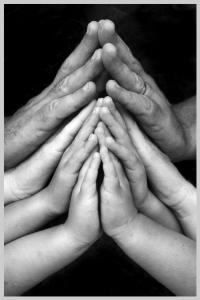 In our culture, we sometimes think of physical healing as near magic. Take this potion, that magic pill, wave the x-ray wand, blast it with invisible radiation. Voila! You’re better. Our medical treatments are certainly advanced, but such a degree of technical progress can reduce our sense of agency in the process. Participating in treatment can feel analogous to taking the car into the shop for an adjustment.
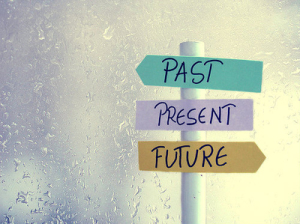 There is a threefold dimension to the Advent season–past, present and future. Sometimes we forget that Advent is not simply a memory exercise of the Church contemplating the Christ event some 2000 years ago. Advent is also a time in which we prepare our hearts in expectation for Christ’s
 the fact that we share in the Divine Life by grace this phrase must have some relevance and meaning to those of us who do not yet have the Beatific Vision. So, Psyched Catholic is my chance to think deeply about God’s glory and living man. In this space I want to contemplate and explore lines given to us by the Church like “man cannot find himself, except through a sincere gift of self,” and “Christ…fully reveals man to man himself.” The wisdom of the Church and of her Saints has much to teach me about how to live the life of grace well. I have come to believe that solid psychology can assist in this venture as well. With Psyched Catholic I want to plunder Egypt’s gold and take what is true, good, and beautiful from psychology and explore how it can benefit our spiritual lives. From my own experiences and those of intimate friends and family I know that barriers to psychological and emotional health, whether they be traumas from the past, addictions, or mental disorders can often impeded our spiritual growth and relationship with God. Psychology can be used to help clear away the rubble that may be impeding grace, freeing us to flourish.